
Ecommerce Peak Season: Prep, Shipping & Strategy Guide 2026
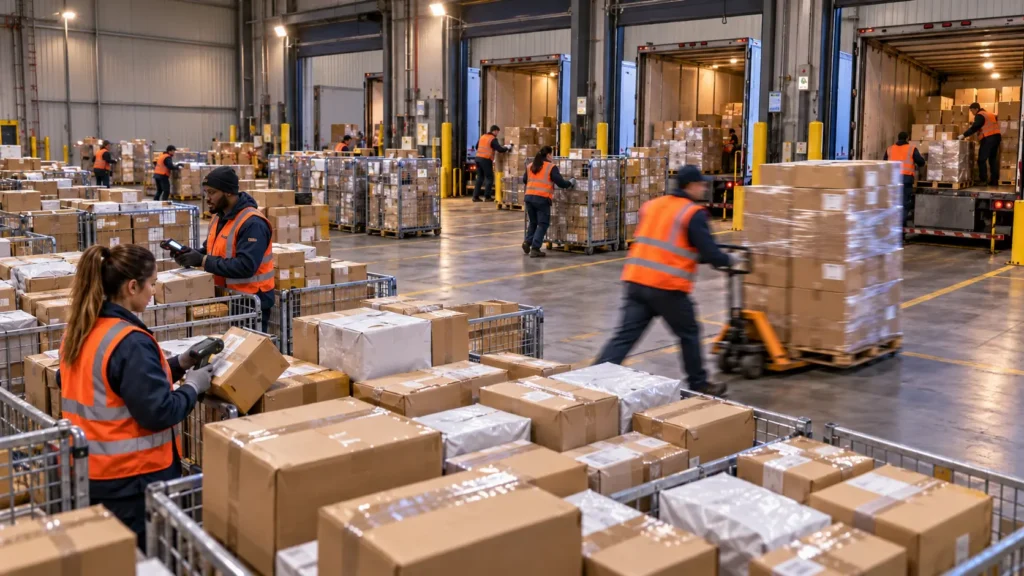
Ecommerce peak season is no longer a single November weekend you brace for. It is a sixteen-week operating period that starts with Prime Big Deal Days in October and does not close until return volume clears in mid-January. Most brands plan for the demand curve and get surprised by the cost curve. The two run […]
Dedicated Warehousing: Meaning, Benefits & How It Works
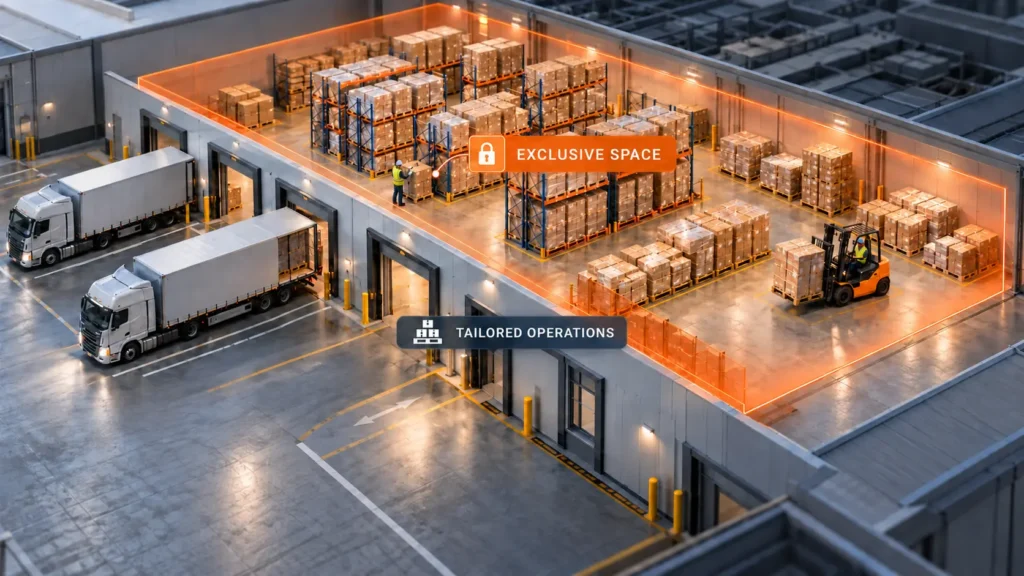
Dedicated warehousing is a model where one company contracts exclusive use of warehouse space, labor, and systems instead of sharing them with other clients. The space is configured around your SKUs, the team is trained on your products, and the capacity is yours whether you fill it in March or in November. That exclusivity is […]
Retail Compliance in Logistics: What Businesses Need To Know
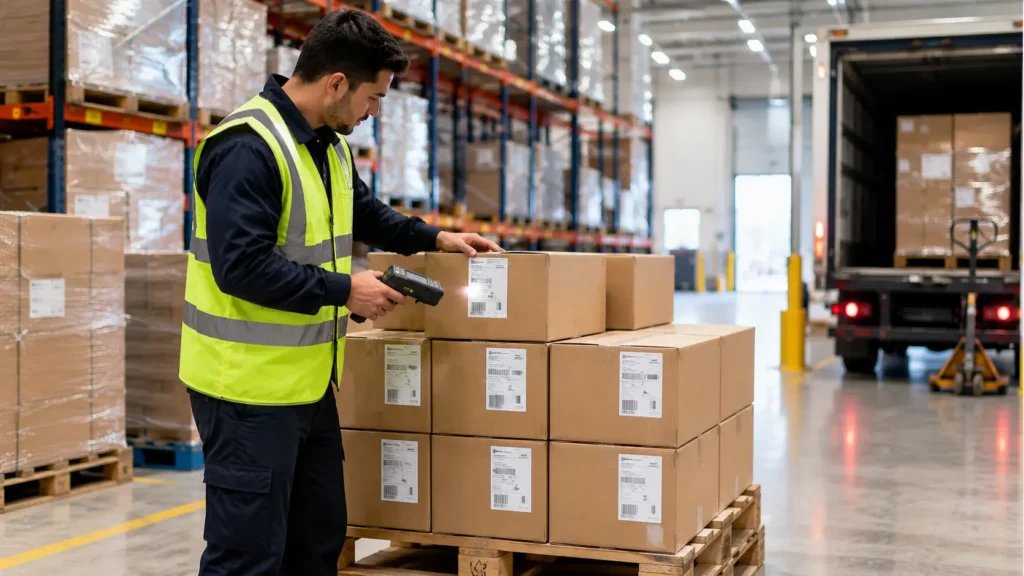
Getting a product made is one thing. Getting it onto a retailer’s shelf without a chargeback is another. Retail compliance is the set of rules a retailer expects every shipment to meet before it reaches a distribution center, and in logistics, those rules are unforgiving. Retail compliance in logistics covers how a product is labeled, […]
How to Ship Large Items & Heavy Parcels Safely and Efficiently
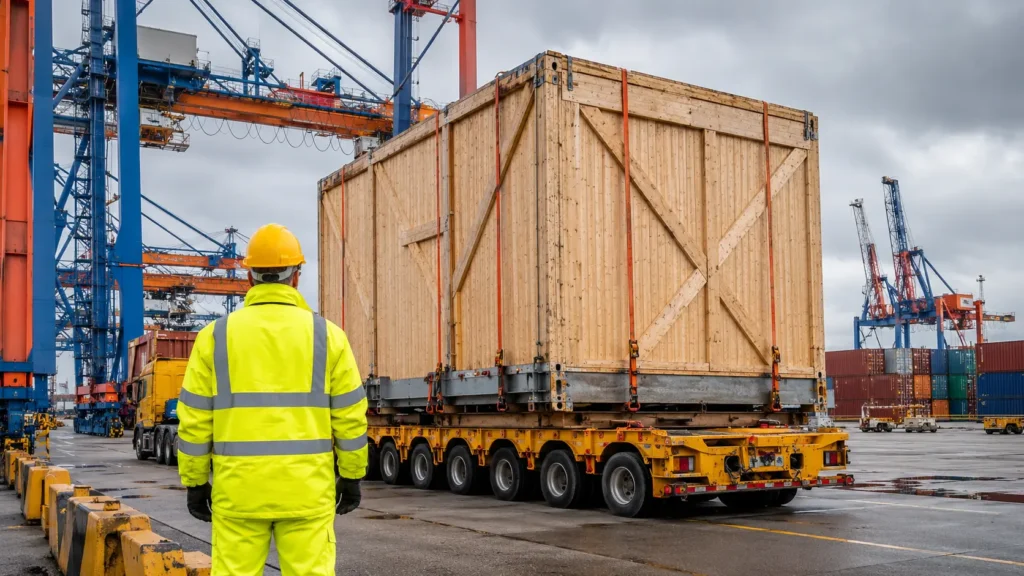
Global parcel volume is projected to reach 421 billion packages in 2026, and every one of those orders raises the bar for faster, more reliable fulfillment. Particularly when a box or pallet exceeds standard size or weight thresholds, it moves out of the easy lane. Standard rates no longer apply, surcharges start adding up, and […]
Should You Let Amazon Manage Your Entire Supply Chain?

Amazon now sells what it calls a factory-floor-to-customer-door logistics stack: inbound transport, warehousing, distribution, fulfillment, last-mile delivery, and returns, all under one roof. For an e-commerce founder watching fulfillment costs spiral and ops bandwidth disappear, the pitch is obvious: “Hand over the Amazon supply chain to Amazon and stop worrying about pallets, parcels, and 2-day […]
How to Calculate Aged Inventory & Reduce Slow-Moving Stock

Every warehouse holds two kinds of stock: units that move and units that sit. Aged inventory is the second category, and it quietly compounds into one of the most expensive problems an e-commerce operation can carry. Carrying costs accumulate. Working capital ties up. And the discount the business needs to offer to sell aging inventory […]
Direct to Consumer Fulfillment (D2C): A Complete Guide
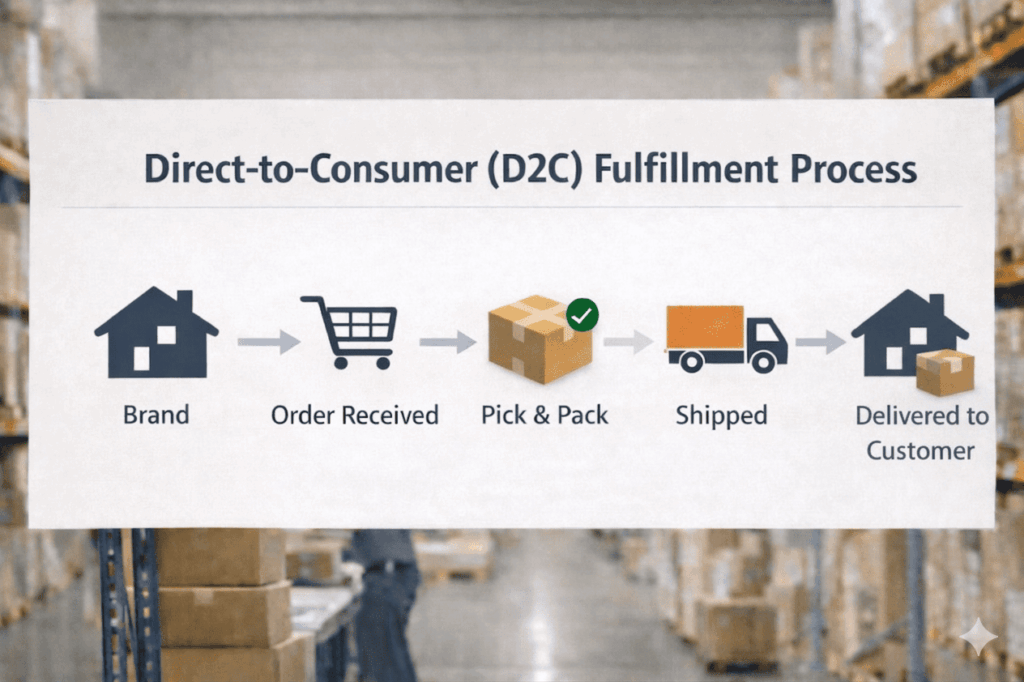
Direct-to-consumer fulfillment (D2C) has become a defining advantage for modern eCommerce brands. Every touchpoint with your customers shapes perception and profitability. This guide breaks down how D2C fulfillment works, where brands struggle, and how to build a scalable, cost-efficient operation that supports growth without compromising customer experience or margins. TL;DR D2C fulfillment enables brands to […]
What Does Awaiting Fulfillment Mean? Why It Happens + Fixes

Order statuses shape how both operators and customers understand order fulfillment progress. One of the most commonly misunderstood stages is “awaiting fulfillment”. Getting this stage’s meaning right helps you identify delays early, align operations, and maintain a consistent delivery experience for your customers. TL;DR Awaiting fulfillment means the order is confirmed but not yet picked […]
Days Sales in Inventory (DSI): How to Calculate + Formula

Days Sales in Inventory sits at the intersection of logistics and finance, connecting inventory performance with capital efficiency. By tracking it consistently, you gain visibility into cash flow, operational performance, and demand alignment. These insights help you make smarter decisions across purchasing, fulfillment, and inventory management as your business scales. TL;DR Days Sales in Inventory […]
How To Choose A 3PL Provider For Ecommerce Fulfillment

TL;DR A 3PL provider manages warehousing, inventory, and order fulfillment, while a 4PL oversees the entire supply chain. Most ecommerce brands benefit more from a strong operational 3PL than a full 4PL structure. Key benefits of working with a 3PL include scalability, technology access, carrier networks, and lower operational costs. When choosing a 3PL provider, […]